Study Findings: Satellite Megaconstellations will Threaten Space-based Astronomy

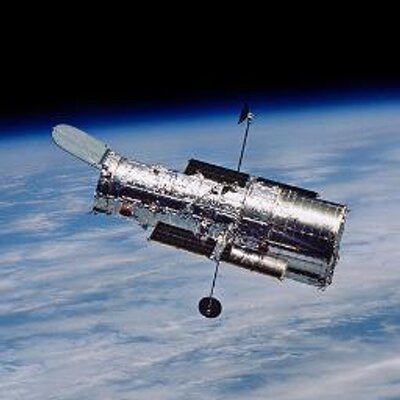
Image (Credit): The Hubble Space Telescope. (NASA)

Nature abstract of the study findings:

Rapidly growing satellite constellations have raised strong concerns among the scientific community. Reflections from satellites can be visible to the unaided eye and extremely bright for professional telescopes. These trails already affect astronomical images across the complete electromagnetic spectrum, with a noticeable cost for operations and mitigation efforts. Contrary to popular perception, satellite trails affect not only ground-based observatories but also space observatories such as the Hubble Space Telescope. However, the current number of satellites is only a fraction (less than 3%) of those to be launched in the next decade. Here we show a forecast of the satellite trail contamination levels for a series of international low-Earth-orbit telescopes on the basis of the proposed telecommunication industry constellations. Our results show that if these constellations are completed, one-third of the images of the Hubble Space Telescope will be contaminated, while the SPHEREx (Spectro-Photometer for the History of the Universe, Epoch of Reionization and Ices Explorer), ARRAKIHS (Analysis of Resolved Remnants of Accreted galaxies as a Key Instrument for Halo Surveys) and Xuntian space telescopes will have more than 96% of their exposures affected, with 5.6,  69 and 92 trails per exposure, respectively, with an average surface brightness of μ = 19 ± 2 mag arcsec−2. Our results demonstrate that light contamination is a growing threat for space telescope operations. We propose a series of actions to minimize the impact of satellite constellations, allowing researchers to predict, model and correct unwanted satellite light pollution from science observations.

Citation: Borlaff, A.S., Marcum, P.M. & Howell, S.B. Satellite megaconstellations will threaten space-based astronomy. Nature 648, 51–57 (2025).

https://doi.org/10.1038/s41586-025-09759-5

Study-related stories:

Scientific American – “Satellites Swarming Low-Earth Orbit Threaten Space Telescopes”

News Scientist – “Planned Satellite Launches Could Ruin Hubble Space Telescope Images”

Orbital Today – “Satellite Boom Set To Disrupt Space Telescopes As Researchers Warn Of ‘Growing Threat’”
Pic of the Week: Capture the Dark 2025 Photo Contest

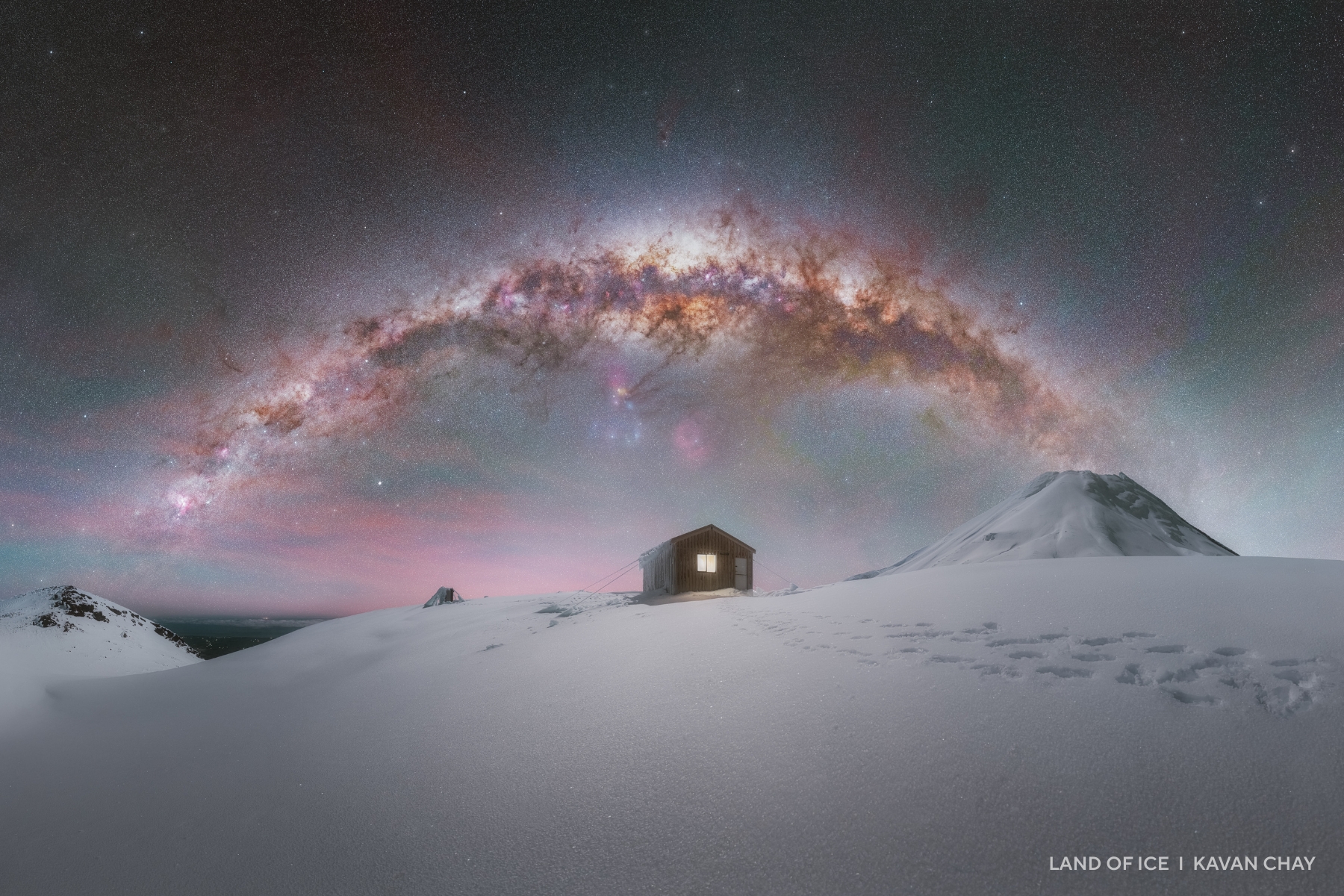
Image (Credit): “Land of Ice” by Kavan Chay. (darksky.org/)

This week’s image is from the Capture the Dark 2025 contest sponsored by Dark Sky International. The third place winning photo is “Land of Ice” by Kavan Chay. The photo was taken in Te Papa-Kura-o-Taranaki, New Zealand.

The 2025 contest had over 2,200 entries from over 22 countries. You can see the other winning images here.

Stay tuned for the 2026 contest, which has yet to be announced.

More Holiday Gift Ideas

Image (Credit): NASA Artemis Space Launch System. (Lego.com)

If you are still looking for the right gifts for that special space enthusiast, I have a few more ideas.

First, if this person likes to build things, how about something from Lego such as the NASA Artemis Space Launch System shown above?

If that is a little to much work, here are a few more suggestions:

If you are still looking after all of these options, I wish you good luck.

Credit: Vintage

MAVEN Communication Issues

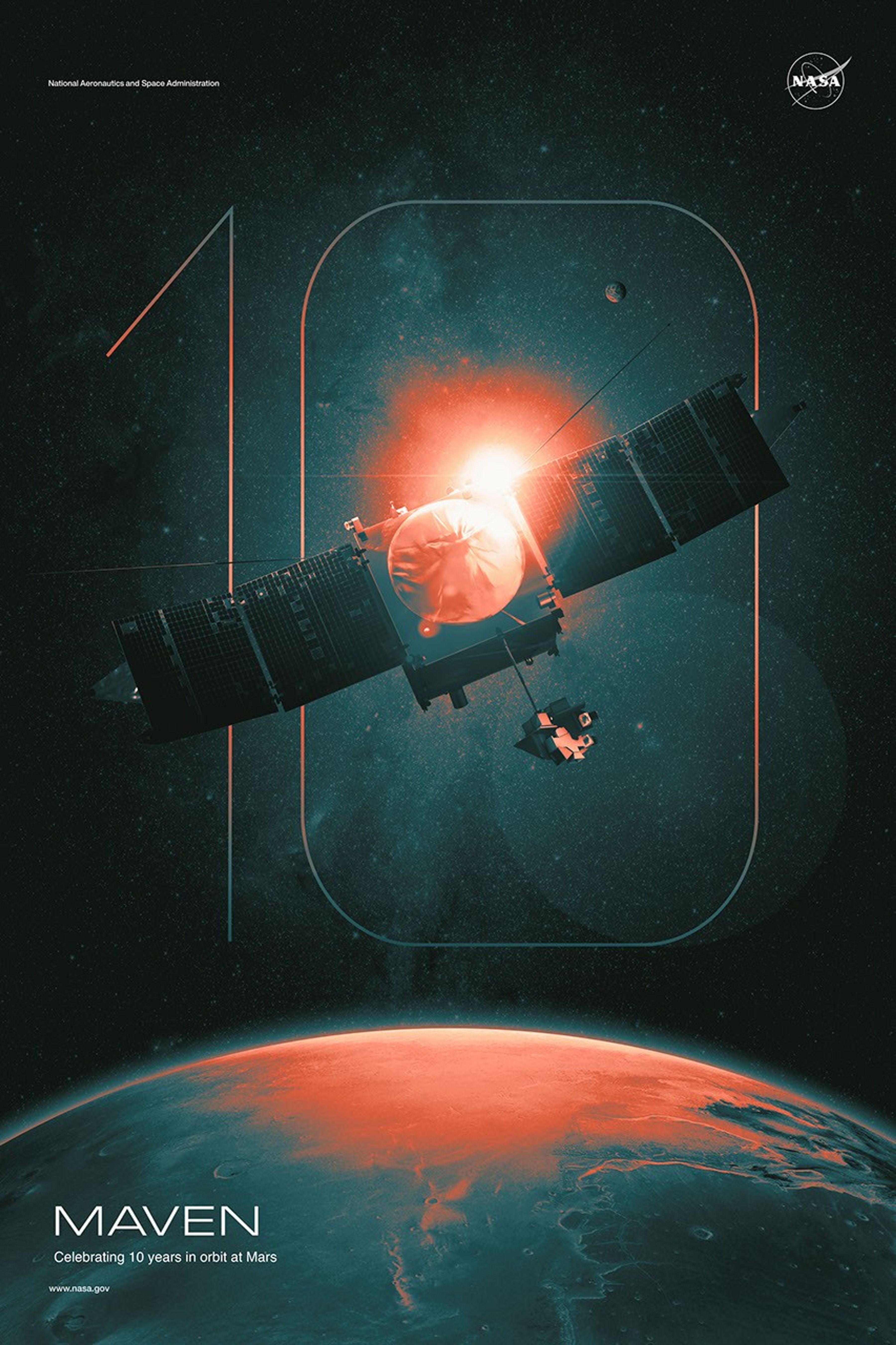
Image (Credit): Tenth anniversary poster for the MAVEN spacecraft from 2024. (NASA)

This time last year we were celebrating the 10th anniversary of NASA’s Mars Atmosphere and Volatile EvolutioN (MAVEN) spacecraft entering orbit around Mars. Today we are wondering about the future of that spacecraft after NASA lost contact with it.

As of earlier today, all NASA would say is the following:

The spacecraft and operations teams are investigating the anomaly to address the situation. More information will be shared once it becomes available.

MAVEN is part of the Mars Relay Network (MRN), which is used to transmit data from the Martian surface back to Earth. For instance, NASA’s two remaining rovers – Curiosity and Perseverance – utilize this network. Five NASA and European Space Agency spacecraft orbiting Mars are part of the MRN: MAVEN, Mars Odyssey, Mars Express, Mars Reconnaissance Orbiter, and ExoMars Trace Gas Orbiter.

The last thing we need now under this administration is a weak link to Mars since finding funds to further bolster the MRN will not be easy. So let’s hope for an easy fix.

Space Stories: Crew Returns from ISS, Isaacman Nomination Advances, and Robotic Spacecraft to Save Space Telescope

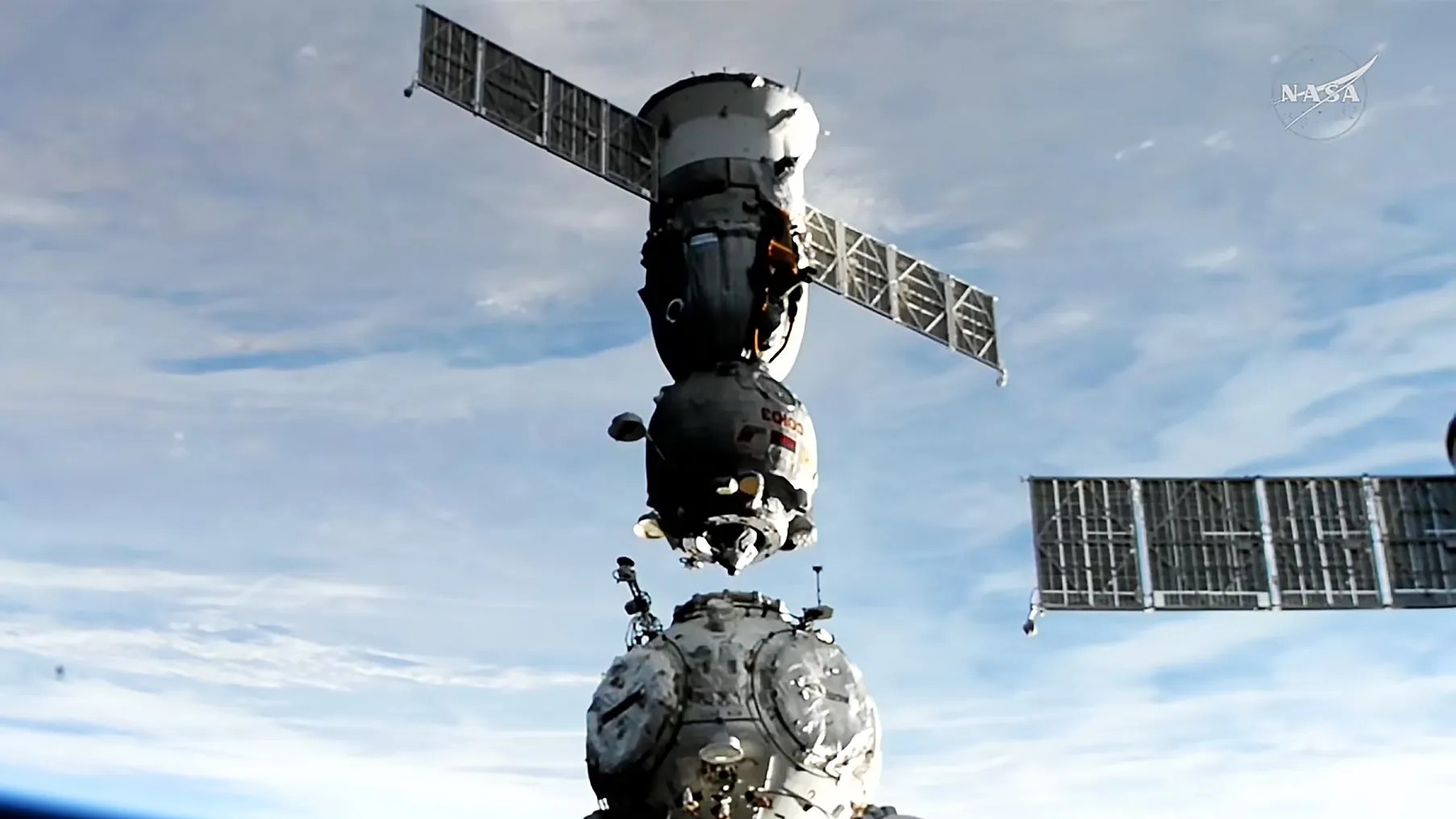
Image (Credit): The Soyuz MS-27 spacecraft undocking from the ISS earlier today. (NASA)

Here are some recent space-related stories of interest.

—CBS News: “3-man Crew Undocks from International Space Station, Wrapping Up 8-month Stay“

A NASA astronaut and two cosmonaut crewmates strapped into their Soyuz ferry ship and undocked from the International Space Station on Monday, heading for landing on the steppe of Kazakhstan to wrap up an eight-month mission…With Soyuz commander Sergey Ryzhikov strapped into the descent module’s center seat, flanked on his left by cosmonaut Alexey Zubritsky and on the right by NASA’s Jonny Kim, the Soyuz MS-27/73S spacecraft undocked from the lab at 8:41 p.m. ET.

—Reuters: “US Senate Committee Votes to Advance NASA Nominee Jared Isaacman“

The U.S. Senate Commerce Committee voted late on Monday to advance the nomination of billionaire private astronaut Jared Isaacman to lead NASA...Senate Commerce Committee Chair Ted Cruz said: “You are as committed to American supremacy in the final frontier as is this committee and the entire Senate. My hope is that you will be confirmed and in this role before the end of this year.” He also won support of the panel’s top Democrat, Senator Maria Cantwell.

—Indian Defence Review: “A Rescue Mission Will Save NASA’s Space Telescope Using a Rocket Dropped from a Plane“

Launched in 2004 to study gamma-ray bursts, Swift has been a crucial asset in understanding some of the most energetic events in the universe. However, over time, the spacecraft’s orbit has been decaying due to the drag from Earth’s atmosphere. As the orbit continues to degrade, the telescope is set to fall from its current 249-mile altitude unless action is taken. The problem is that Swift lacks onboard thrusters for orbit adjustments. With no replacement mission in the pipeline, NASA has turned to the private sector for a solution, and Katalyst is stepping in with a bold plan…For Neil Gehrels Swift Observatory, however, no astronauts will be involved. Instead, Katalyst will perform the rescue entirely remotely.