Another Crew Departing for the ISS

Image (Credit): The SpaceX Crew-8 (identified below) expected to depart later today. (NASA)

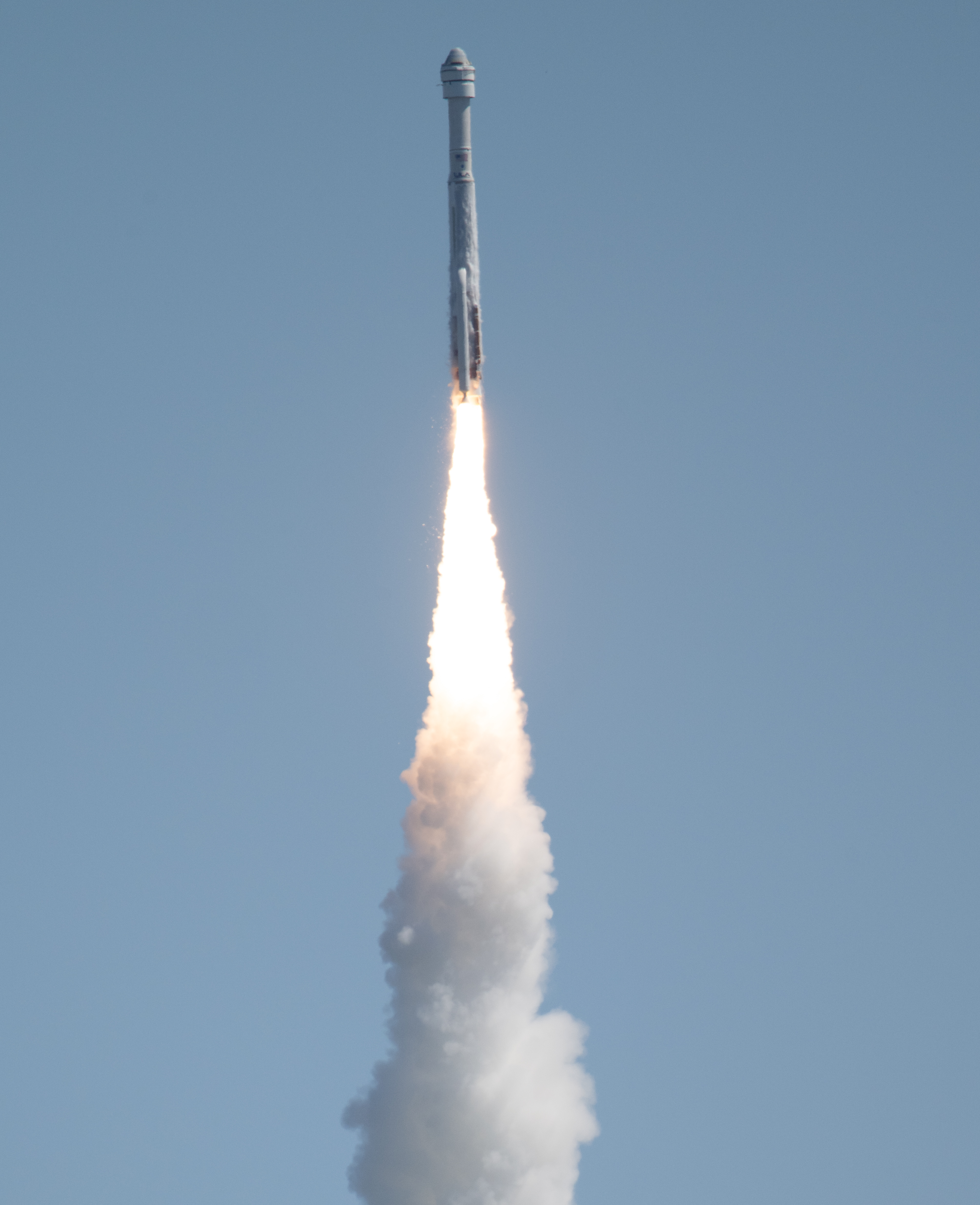
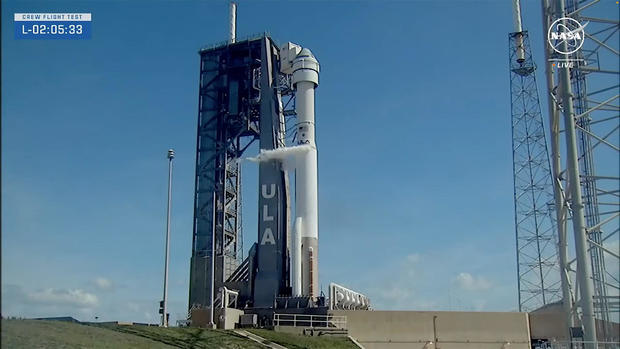
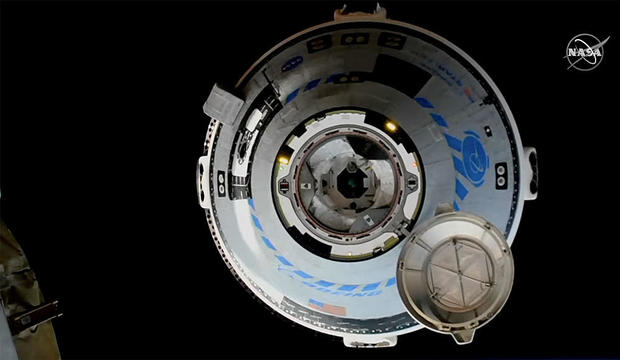
Later today, a SpaceX rocket with carry another crew to the International Space Station (ISS) after a few delays. The crew, shown above, consists of Alexander Grebenkin (Roscosmos), Michael Barratt (NASA), Matthew Dominick (NASA), Jeanette Epps (NASA).

The new crew will be approaching a space station already containing seven crew members as well as a module in need of repair. The Russian components of the space station have sprung a number of leaks over the past several years. The most recent appears to be a recurring oxygen leak.

To date, NASA is playing it cool, though I expect everyone on board would be happy to experience at leakless station as soon as possible. We know the ISS will not last forever, but until the day it is decommissioned it should be a safe vessel for the astronauts and cosmonauts aboard.

Update: The SpaceX launch went off without a hitch Sunday evening. The new crew on the Dragon spacecraft is expected to reach the ISS Tuesday morning.

Look Up: Is That Magnolia Wood?

(Image/Credit): Artist’s rendering of the wooden LignoSat satellite. (Kyoto University)

The satellite industry may never be the same again. While we hear so much about new metals in our rockets, how often do you hear of simply putting wood into orbit?

I guess we should not have been too surprised now that wood is being used to build office towers. And the best part is that wooden satellites burn cleaner than metal satellites, making them safer for the environment.

Last year we learned about the Kyoto University’s test of wood materials on the International Space Station. The findings indicated that magnolia wood was one of the better materials for spacecraft, though more testing was needed.

The plan is for a summer 2024 launch of a coffee-size probe called LignoSat that can then be monitored for six months. That should be time to better understand the strength and effectiveness of the wood before it burns up in the Earth’s atmosphere.

It reminds me of the old joke about the Americans inventing a billion-dollar pen to write upside down in space while the Russians simply used a pencil. Maybe the Japanese also have some to teach us.

All Eyes on the Next Moon Mission

Image (Credit): Intuitive Machines IM-1 mission on the launch pad at NASA’s Kennedy Space Center in Florida. (SpaceX)

The second NASA-related commercial Moon mission was set to launch earlier today, but SpaceX called it off at the last moment due to a methane issue with its Falcon 9 rocket. SpaceX is expected to try the launch tomorrow.

The launch of the Intuitive Machines IM-1 mission is related to NASA’s Commercial Lunar Payload Services (CLPS) initiative, and will serve as one of the first lunar-based pieces of the Artemis program.

In terms of the main mission, NASA noted:

Intuitive Machines’ Nova-C lander is expected to land on the Moon Thursday, Feb. 22. Among the items on its lander, the IM-1 mission will carry NASA science and technology instruments focusing on plume-surface interactions, space weather/lunar surface interactions, radio astronomy, precision landing technologies, and a communication and navigation node for future autonomous navigation technologies.

The Moon mission that failed last month was also part of NASA’s CLPS initiative. This program is off to a slow start, but hopefully it can be relied on to be a key component of the lunar space program going forward.

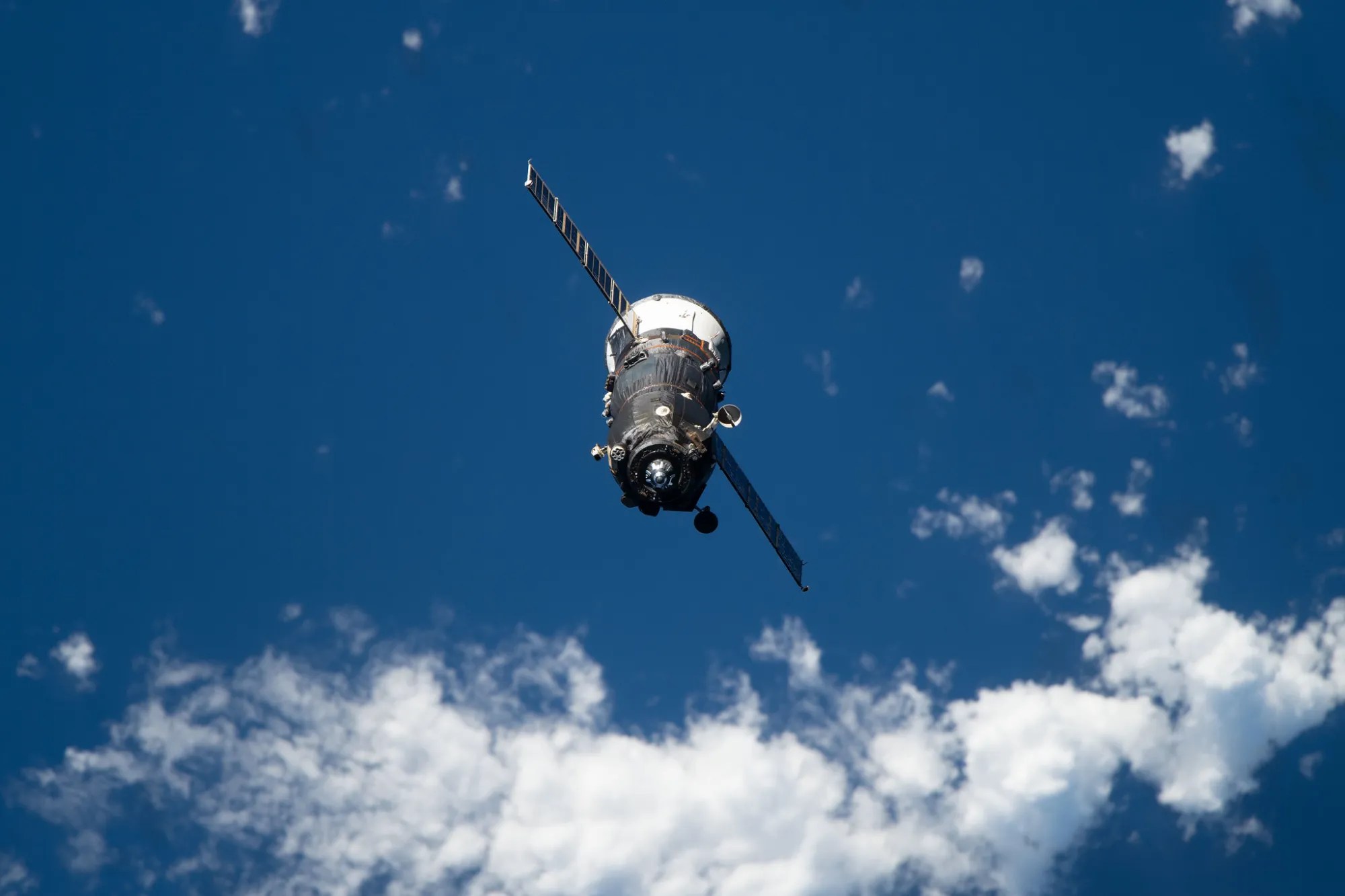
If you are looking for some good news, I can report that Russia’s Progress MS-26 International Space Station resupply mission successfully launched earlier today.

Space Stories: A Test of Space Suits, Water Detected on Asteroids, and China’s Growing Space Program

Image (Credit): Recent test of the space suit being built by Collins Aerospace. (Collins Aerospace)

Here are some recent stories of interest.

The Verge: One of NASA’s New Spacesuits Passes Microgravity Test

Collins Aerospace, a private company hired to create spacesuits for use outside the International Space Station (ISS), has tested its suit aboard a commercial microgravity flight, passing a milestone that lets engineers move forward toward critical design review…During the test, the plane executed “roller-coaster-like maneuvers” to induce weightlessness and allow someone wearing a prototype to see if it actually lets someone move around in it under those conditions.

Newsweek: NASA Data Detects Water on Asteroids for the First Time Ever

Water has been found on the surface of two asteroids for the first time, scientists said in a new paper. Two silicate-rich asteroids were detected by the retired Stratospheric Observatory for Infrared Astronomy (SOFIA) that were giving off a specific wavelength of light that indicated the presence of molecules of water, according to research published in The Planetary Science Journal. The discovery may have major implications for theories about how water initially made its way to our own planet. It could have been delivered via asteroid impact.

Astronomy.com: China is Embarking on a Science and Exploration Program of Staggering Scale

When China’s first lunar lander, Chang’e 3, touched down in Mare Imbrium on the Moon in 2013, it was the pinnacle of the country’s space endeavors. The robotic lander and its small Yutu rover companion were the first spacecraft to operate on the Moon since the 1970s, and provided new insights into our planet’s natural satellite…Since then, China’s space activities have exploded in range, frequency, and ambition. The country now rivals the U.S. for the most launches per year, with around 80 missions having been planned for 2023. The nation has its own modular space station, named Tiangong, which is expected to be continuously occupied by a rotating crew of three astronauts for at least a decade.

Space Stories: Preparing for a Commercial Space Station, Ukraine Protests New ISS Crew, and Metal 3D Printing in Space

Image (Credit): Artist’s rendering of the Starlab commercial space station in orbit. (Starlab Space)

Here are some recent stories of interest related to space stations.

SpaceNews: Starlab Commercial Space Station to Launch on Starship

Starlab Space, the joint venture developing the Starlab commercial space station, has selected SpaceX’s Starship to launch the station on a single flight. Starlab Space, a joint venture of Voyager Space and Airbus Space and Defence, announced Jan. 31 it reached an agreement with SpaceX to launch the Starlab station on Starship. The companies did not disclose terms of the agreement or a projected launch date, although a spokesperson for Starlab Space said the company was confident that Starlab would be launched before the decommissioning of the International Space Station, currently scheduled for 2030.

Kyiv Post: Ex-Russian Military Officer Joins NASA for ISS Mission; Ukrainian Outrage Follows

Alexander Grebenkin, a former Russian military officer and current Roscosmos cosmonaut, is set to travel to the International Space Station as part of the NASA team, as announced on the NASA website, where Ukrainians have commented their outrage. NASA, in collaboration with SpaceX, plans to launch Crew-8 to the International Space Station no earlier than Thursday, Feb. 22.

Aviation Week Network: European Space Agency Launches ‘First’ Metal 3D Printer To ISS

The European Space Agency (ESA) has launched what it says is the “first metal 3D printer” to be hosted on the International Space Station (ISS). While plastic 3D printers have been used aboard the ISS since 2014, a machine that prints stainless steel would be new and could allow astronauts greater self-sufficiency, including the ability to make complex metallic structures in orbit, as well as at future Moon and Mars bases, ESA said Jan. 30.