Image (Credit): Scene from season one of For the Empire. (AFK)
If the political news these days is a bit too much, I recommend you sit back and have some fun with a few Star Wars videos. The For the Empire series provides humorous behind-the-scene antics in the Empire. One of my favorite short films is The Battlefield where a storm trooper encounters a Jedi on the battlefield for the first time. Or try A Certain Point of View for commentary on the Empire’s foreign policy.
It reminds me of the Star Wars skits from Robot Chicken, which are worth a second viewing as well.
While none of this is Andor, it is a welcome respite from today’s news. We all need a laugh or two.
The For The Empire series on YouTube uses Epic Games’ Unreal Engine to produce these high quality videos. It it quite a few steps beyond the claymation of Robot Chicken. If this is the future of animation, then Hollywood had better watch its back.
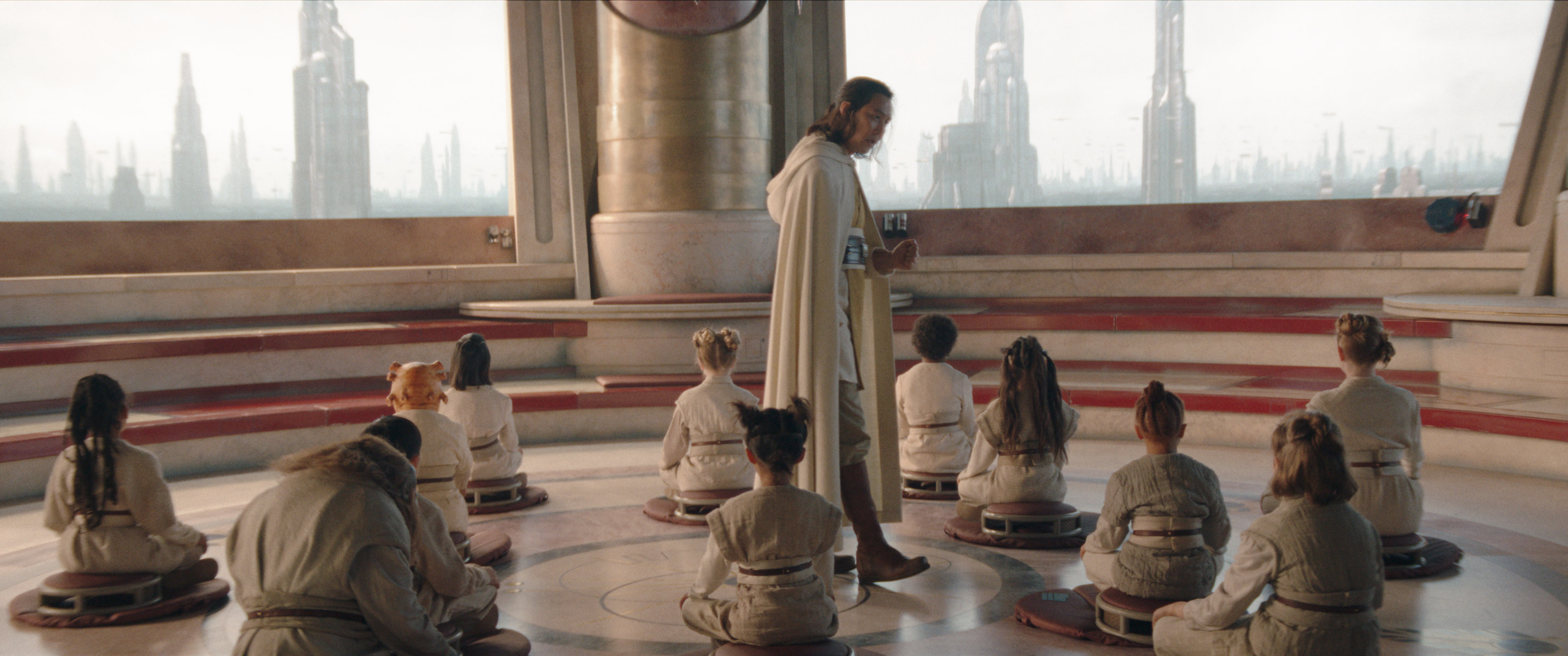
Image (Credit): Scene from Disney’s Star Wars: Acolyte television series. (Lucasfilm)
I cannot say I am surprised that Disney’s new Star Wars television series The Acolyte has been cancelled after only one season. I watched a few episodes and gave up.
Given that Disney has decided to spread the Star Wars series very thin over multiple storylines, it seems that the goal has been more TV rather than better TV. Even the trick of dropping in the occasional cameo, be it Luke Skywalker or various versions of Darth Vader, has worn thin.
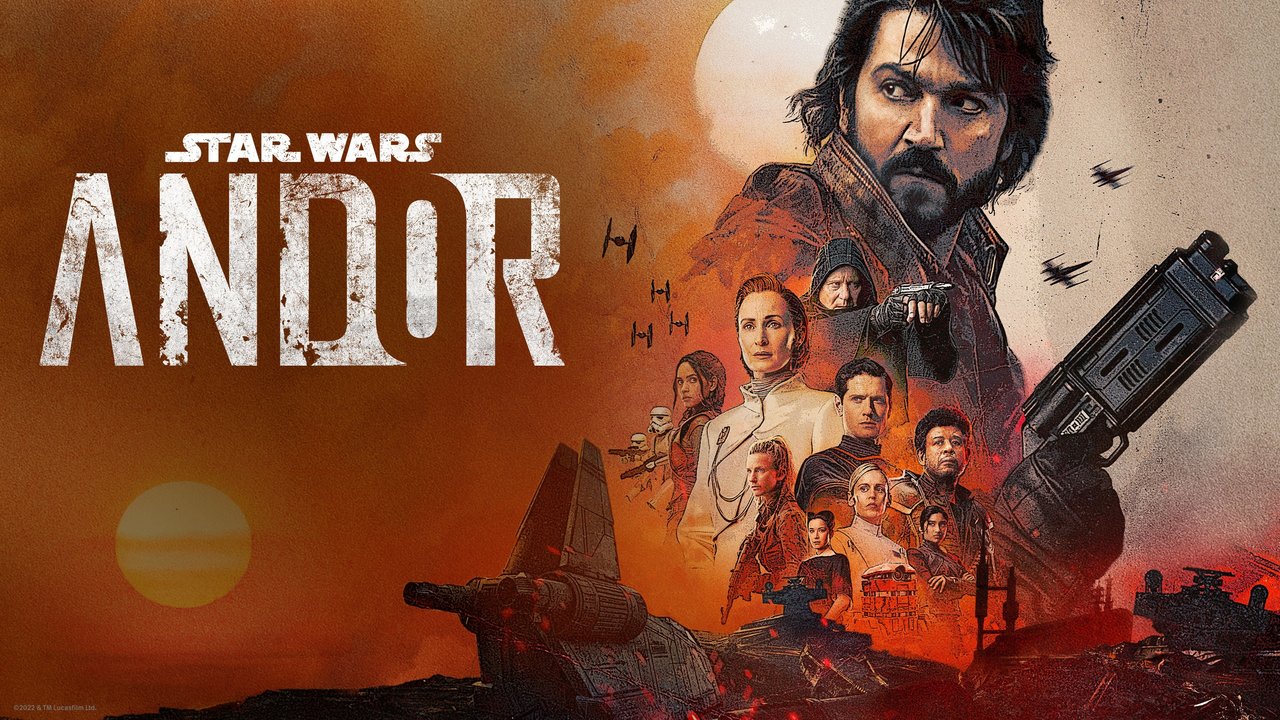
So while the first series, The Mandalorian, is going into its fourth season, the other series are more or less limping along. The best of the lot, Andor, missed 2024 completely and will have its second and last season next year. What if Disney had concentrated more on Andor and less on these other spin-offs (The Book of Boba Fett, Obi-Wan Kenobi, and Ahsoka)? Maybe we would be talking about season three of Andor and the franchise would have some new and true fans.
With all of this busyness with little to show for it, I was surprised to read that Disney was putting out a Mandalorian feature film that mashes together some of the television storylines. Are we now milking to death the still struggling offspring of the Star Wars family? Why?
Disney needs to use its cash and creative talent to come up with new sci-fi series. Look at The Expanse for some ideas or just visit the sci-fi section of the library.
All I know is that turning Star Wars into a money pit is not the way to go.
Image (Credit): Drinks at the Disney Star Wars: Galactic Starcruiser. (Disney)
The Disney hotel lasted for less than two years, but for more than four hours you can experience it on YouTube.
Opened in March 2022, Disney’s Star Wars: Galactic Starcruiser was an expensive, all-inclusive hotel that brought Star Wars adventures directly to the well-heeled. By September 2023, the fun was over when Disney shuttered the hotel forever after failing to attract enough customers.
The YouTube video, The Spectacular Failure of the Star Wars Hotel, follows Jenny Nicholson, who paid $6,000 for a two-night stay at the hotel. You get to see the experience for yourself and get deep into the highs and lows of her adventure.
Since most of us either lacked the funds or chutzpah to check into this hotel, this is the next best thing. You may never see such an adventure again. Of course, maybe the Alien franchise will see something to build on. After all, that series is all about the gullible checking in but not checking out.
Do we really need one more Star Wars television series? Not really, but we will get one anyway. It starts tomorrow (June 4) and is called Acolyte. It reminds me of the movie Solo, which was made for no other purpose other than to mine the diminishing appeal of the Star Wars empire (financial empire, that is). We seem to be getting to the point of better special effects and the disappearance of any meaningful story.
Here is the pitch for the new series (and trailer):
In “Star Wars: The Acolyte,” an investigation into a shocking crime spree pits a respected Jedi Master (Lee Jung-jae) against a dangerous warrior from his past (Amandla Stenberg). As more clues emerge, they travel down a dark path where sinister forces reveal all is not what it seems….
I would much rather see a bolder and better told story for The Mandalorian, or an earlier release of the second (and sadly last) season of Andor, which was pushed until next year. Instead, we get the a mishmash of old themes that represents one more stirring of a old pot.
This is a combination of everything that poisoned the original series – too many special effects in episodes I-III and a less than original story in episodes VII-IX. At least The Mandalorian was fun, and Andor gave us an interesting piece of the overall story (as did the movie Rouge One). The rest is chaff.
Nonetheless, the series will continue and we are expected to abide. As Darth Vader said in The Empire Strikes Back, “There is no escape. Don’t make me destroy you.”
Update: I ended my viewing after the second episode. The program was too stiff with little humor or self-awareness. I do not need to spend my time with CSI: Star Wars. I will await the return of Andor.
On this day in 1944, George Walton Lucas Jr. was born in Modesto, CA. He graduated from the University of Southern California in 1967, co-founded American Zoetrope with another filmmaker Francis Ford Coppola, and started making films that eventually changed America cinema.
He would one day go on to create the Star Wars franchise, one of the most popular space-based science fiction empires in history. The Star Wars franchise now includes the nine primary movies, at lease two additional movie spin-offs, a whole bunch of TV series, both animated and otherwise, and many fan films as well.
Here are a few fun facts about Mr. Lucas:
George and his family attended Disneyland during its opening week in July 1955. Disney would later buy his Star Wars film empire, Lucasfilm, for about $4 billion.
While the Vietnam War was drawing in many American youth to fight overseas, George was first turned down by the US Air Force because of all his speeding tickets and later by the US Army because of his diabetes. He later taught documentary cinematography a class of U.S. Navy students.
A divorce and financial setbacks caused George to step back from making any additional Star Wars films after The Return of the Jedi. Of course, he later came back to direct the first three films of the series (I-III) and hand-picked director J. J. Abrams to direct the last three (VII-IX), even though Disney had thrown out George’s ideas for these last three films.
While Star Trek has probably done more to push viewers towards questions about space travel and exoplanets, Star Wars did introduce some ideas that kept some scientists chattering.
No matter what set of Star Wars films you prefer (my favorites were the three original films), there has been plenty action-packed films and spin-offs since 1977. We are fortunate that Mr. Lucas did not give up on his science fiction dream.