
Take a look at the image above. Can you determine where this image originated? Take a guess and then check your answer by going to the menu and selecting the “Where is This? The Answer Sheet” page.

Take a look at the image above. Can you determine where this image originated? Take a guess and then check your answer by going to the menu and selecting the “Where is This? The Answer Sheet” page.
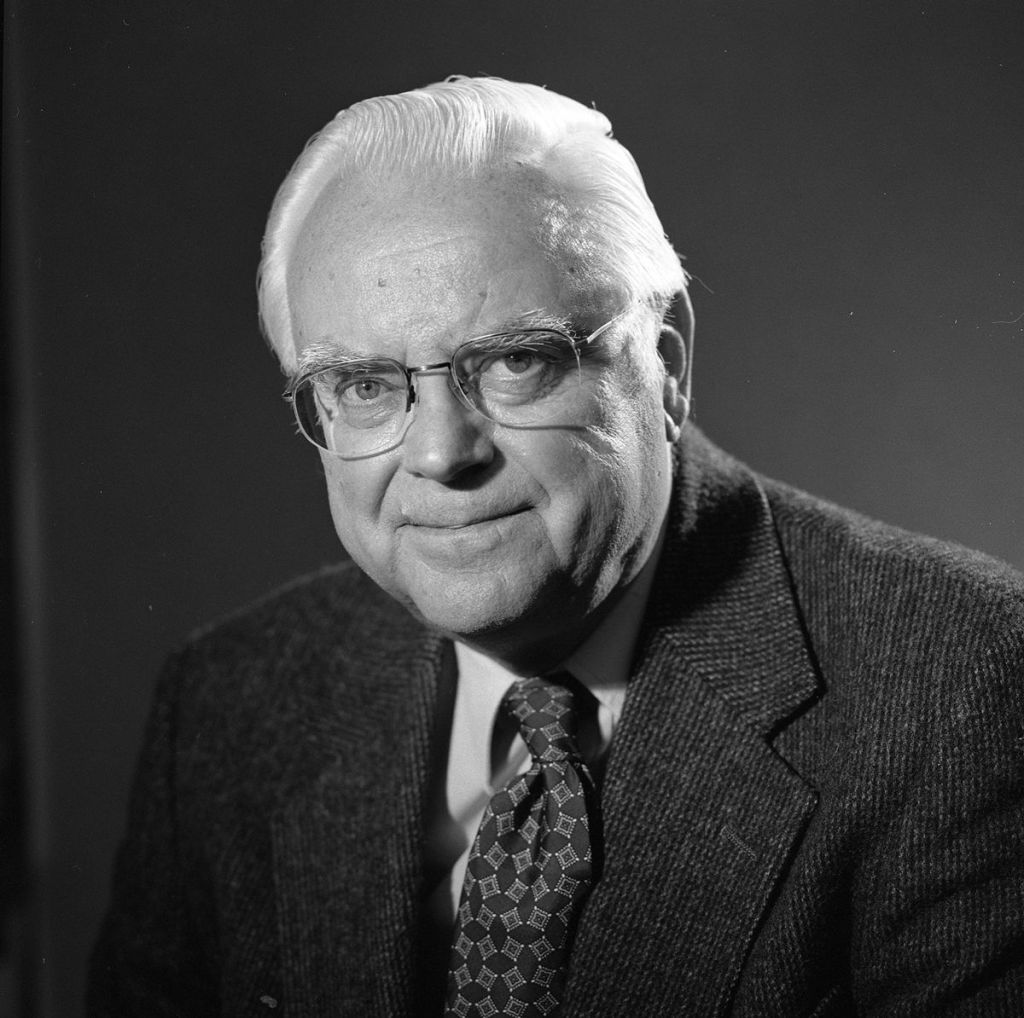
We lost a grand mind last Friday with the death of astronomer Frank Drake at the age of 92 (1930 – 2022).
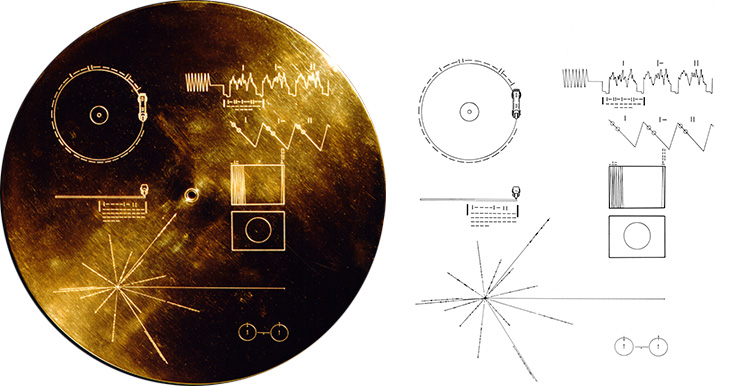
In addition to giving us the famous Drake Equation pertaining to the potential existence of extraterrestrial intelligence in our galaxy, he spent his life looking for signs that we are not alone and served as the president of the SETI Institute as well as director of the SETI Institute’s Carl Sagan Center for the Study of Life in the Universe. Among many other things, he also worked with Carl Sagan on the “Golden Record” placed in the Voyager spacecraft.
One thing that comes across from interviews is that he was a very hopeful man who did not tire easily. In an earlier interview with Space.com, he shared this unique view of our space neighbors:
That reminds me of something else. We have learned, in fact, that gravitational lensing works. If they [aliens] use their star as a gravitational lens, they get this free, gigantic, super-Arecibo free of charge. They are not only picking up our radio signals, but they have been seeing the bonfires of the ancient Egyptians. They can probably tell us more about ourselves than we know … they’ve been watching all these years.
You can watch Mr. Drake discuss gravitational lens and more in this earlier lecture on YouTube. You can also learn much more about Mr. Drake’s career and activities at FamousScientists.org.
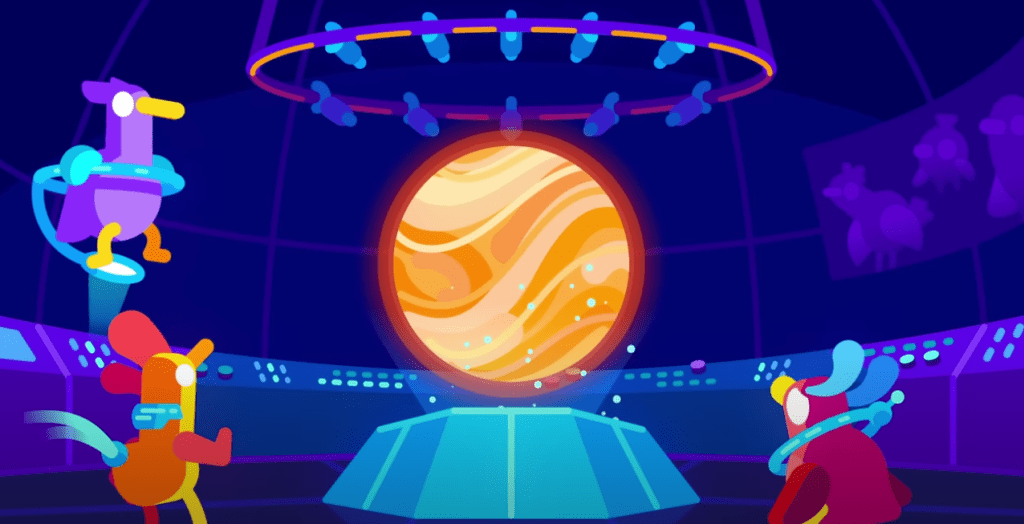
In a recent Clear+Vivid podcast episode, Alan Alda interviewed Philipp Dettmer, who is the CEO of the online science channel Kurzgesagt (German for “in a nutshell”). Mr. Dettmer discussed his difficulties with school as a child, his eventual love of learning, and his desire to help others to learn.
I recommend you listen to his story on the podcast, but also explore the various videos on his Youtube site, including a number of them that deal with astronomy, such as:
It is science as well as scientific speculation, but it is all good for the brain.

United Launch Alliance has announced that it will be sending the remains of Nichelle Nichols, also known as Star Trek’s Lt. Uhura, into space on a Vulcan Centaur rocket later this year in conjunction with the Celestis memorial program. About 150 memorial capsules in all with be part of what is named the “Enterprise Flight” (see the mission logo above). Others joining Ms. Nichols’ capsule include capsules for Star Trek creator Gene Roddenberry and his wife, as well as James Doohan, who played Scotty on the original Star Trek series.
The Enterprise Flight will launch from Cape Canaveral in Florida, with the capsules going more that 250 million miles into space. The Celestis website notes that more missions are being planned and memorial prices start at $2,495. However, if you want to be on the same flight as Lt. Uhura, prices start at $12,500 and you need to make your reservation by September 15th.
Mr. Roddenberry and others have been similarly honored as part of NASA’s space program. For instance, back in 1992 the remains of Gene Roddenberry were carried into space on Space Shuttle Columbia and later returned to Earth. It is not clear whether these same remains are now part of the Celestis mission. And let’s not forget the Carl Sagan Memorial Station on Mars, named back in 1997 (see below).

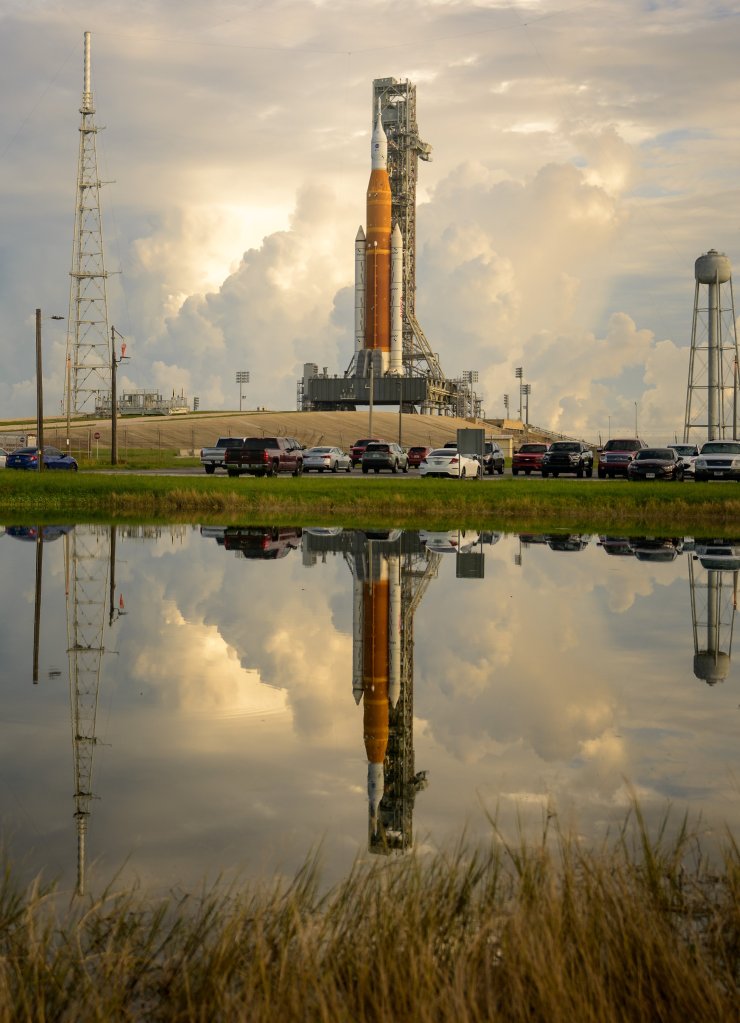
This is the mission status from 11:22 am today:
The launch director waived off today’s Artemis I launch attempt at approximately 11:17 a.m. EDT. Teams encountered a liquid hydrogen leak while loading the propellant into the core stage of the Space Launch System rocket. Multiple troubleshooting efforts to address the area of the leak by reseating a seal in the quick disconnect where liquid hydrogen is fed into the rocket did not fix the issue. Engineers are continuing to gather additional data.
An early September launch is not possible, so here are the future launch windows that NASA can consider:
September 19 – October 4
October 17 – October 31
November 12 – November 27 (preliminary)
December 9 – December 23 (preliminary)

