
You probably heard that artificial intelligence (AI) has been solving math problems. However, that is not all. AI is also being used to solve astronomy problems as well.
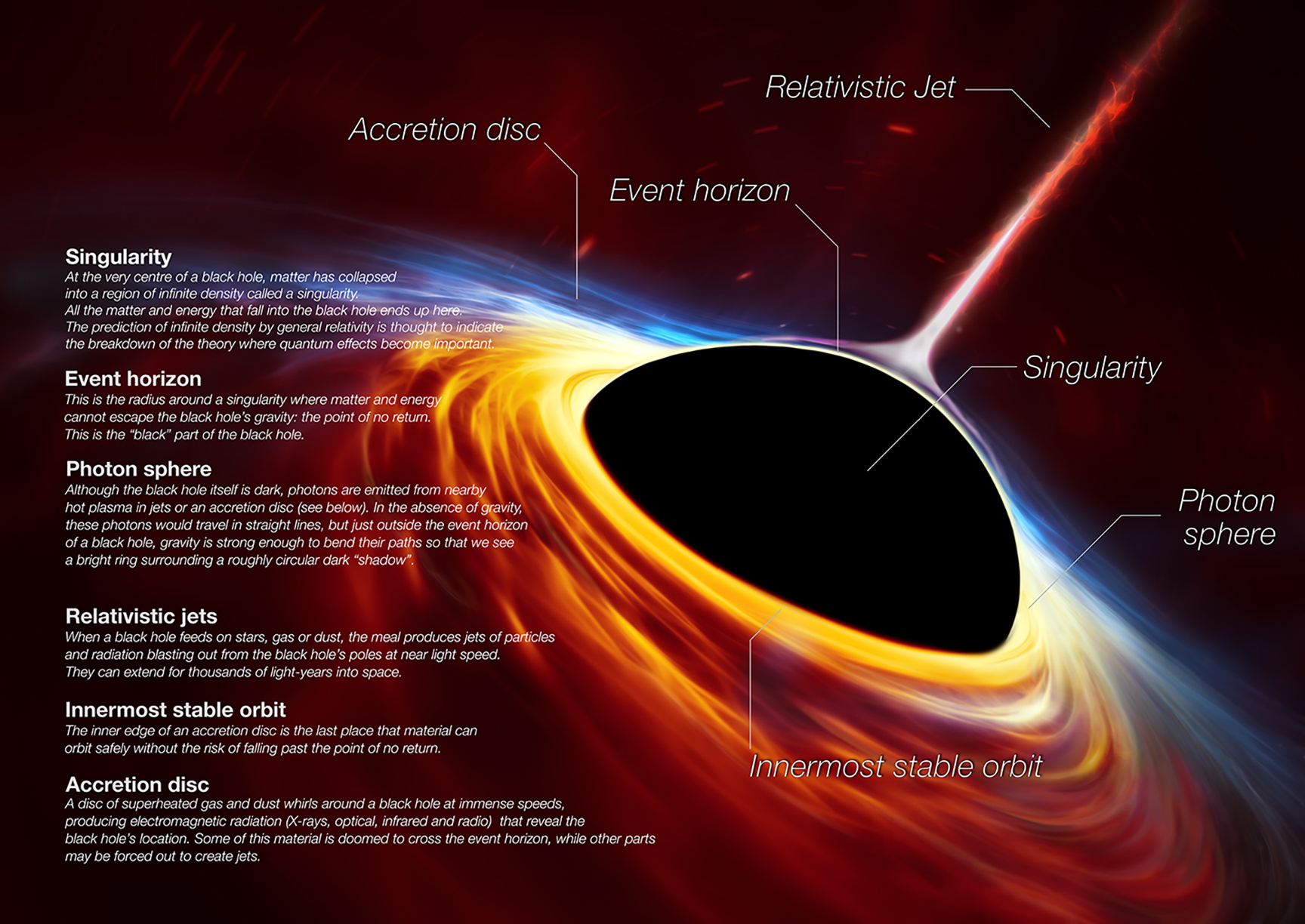
For example, Anthropic’s Claude has recently solved two questions in theoretical physics related to black holes.
In reporting on this, Anthrophic noted:
In the first, it completed a calculation that physicists set up more than 20 years ago, but which had never been solved. Claude’s result showed that a sudden transition associated with the formation of black holes persists even where spacetime no longer has a definite shape. In the second, Claude found the exact limit of the simplest version of a technique used to test candidate theories of quantum gravity.
The underlying paper for the black hole phase transition paper here, and the quantum gravity paper here.
As with the AI work related to mathematics, this is just the start for astronomy. AI should be able to assist astronomers in many way, including solving such questions, reviewing massive amounts of data, automating telescopes, assisting astronauts, and more.
Cecilia Garraffo with the Center for Astrophysics, Harvard & Smithsonian, believes AI has a clear role in the future of astronomy. She noted the slow integration of AI into astronomy in a Sky & Telescope article, stating:
We’re missing out on a lot of improvements, developments, and very powerful techniques that we’re not using…Not having access to these methods is similar to not having had access to a computer when computers started.

