You may be spending the holiday weekend stuck in traffic jams at the mall, or maybe you want to find what you need online without all of the hassle. If you are going online, you might want to check out your friendly non-profit space organizations for ideas.
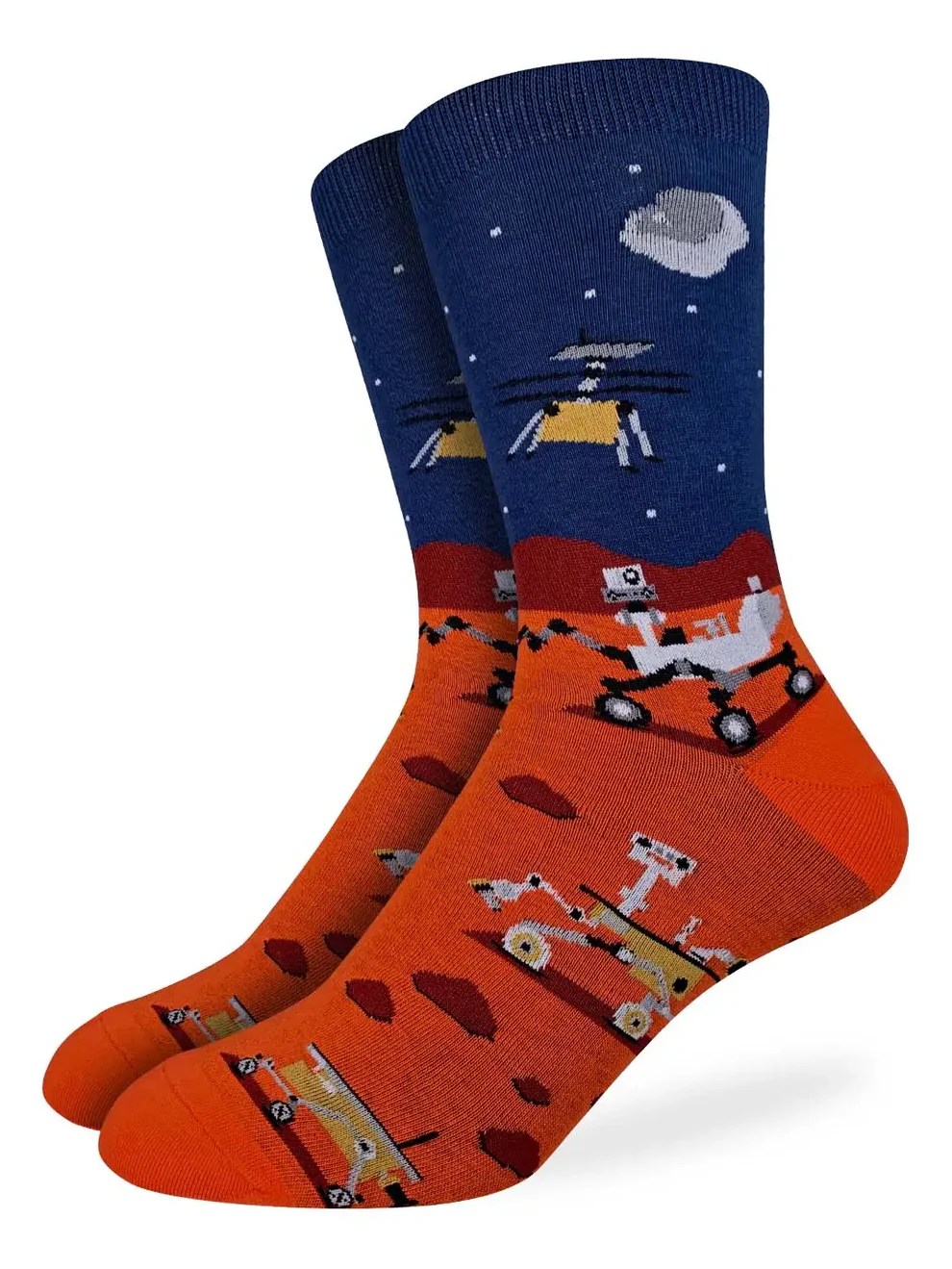
The Mars Rover socks shown above and much more can be found at the Mars Society’s gift shop. You can also find mugs, shirts, signed prints, models, books (such as The Case for Mars), and more. Better yet, the profits go to an organization that is actively lobbying for Mars missions and related space missions. You cannot go wrong.
I will share other ideas this season, but this first post is to get the shopping started.
Credit: The Mars Society
Note: This site is not affiliated with the Mars Society.
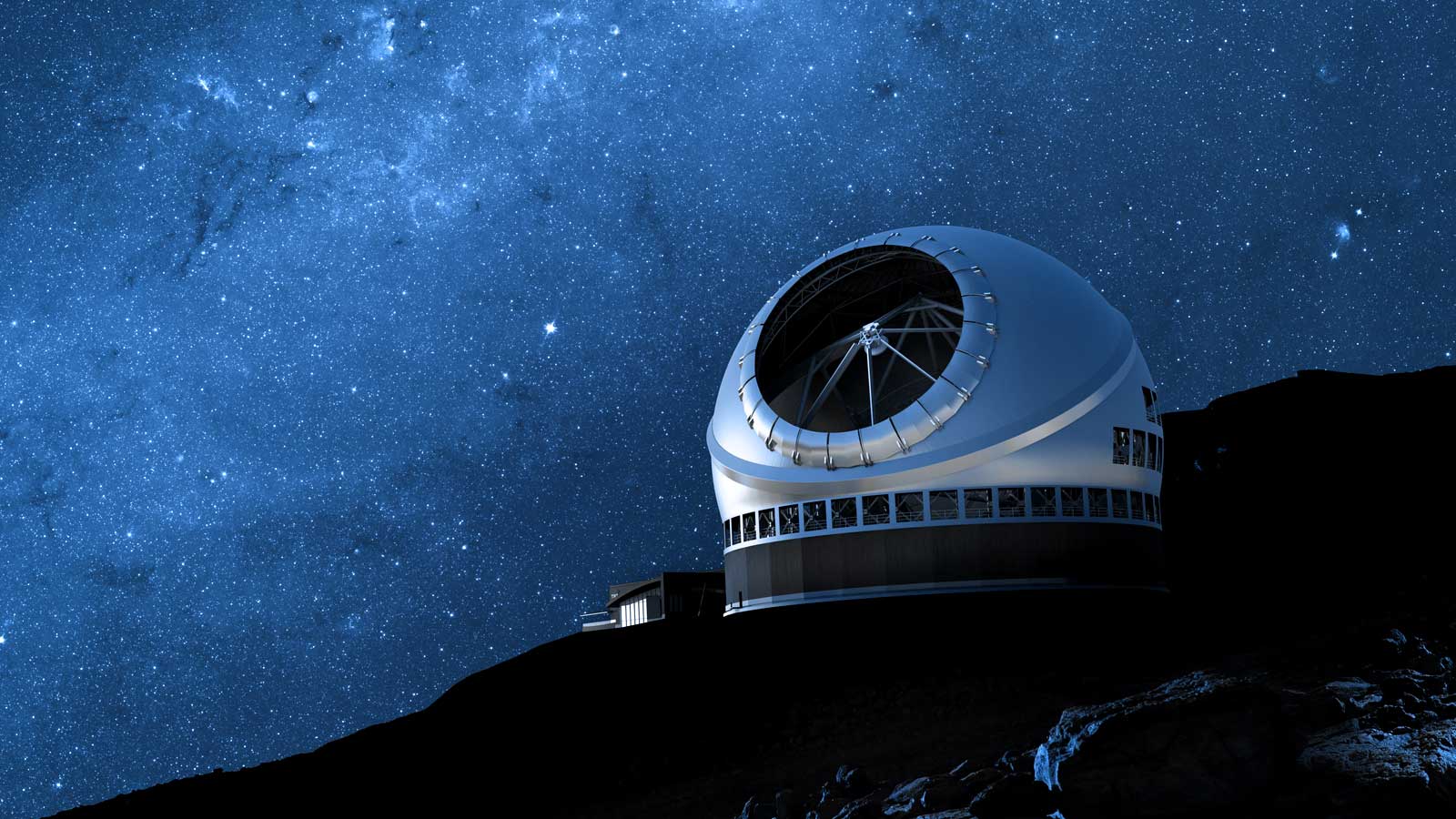
The Thirty Meter Telescope (TMT) was conceived more than two decades ago as the largest and most advanced telescope in the Northern Hemisphere. However, the telescope has encountered significant roadblocks, from funding uncertainties — now heightened by President Trump’s proposed budget cuts — to local resistance to building the telescope on Mauna Kea, a volcanic mountain in Hawai‘i that’s sacred to native communities. Now, the telescope might find a new home in La Palma on the Canary Islands of Spain. In July, the Spanish government offered to host the telescope, with an investment of up to €400 million ($460 million) to help cover some of the costs. In a brief statement posted on November 11th, the TMT announced that it is officially considering the move to La Palma.
In its latest shakeup to the Commercial Crew Program, NASA announced on Monday it has reduced the number of missions Boeing is required to fly to the International Space Station and changing the next flight from a crew mission to a cargo mission. The original contract NASA awarded to Boeing and SpaceX called for each to fly an uncrewed demonstration flight to the ISS, followed by a crewed demo mission and then conduct six regular crew rotation missions.
In the airless, radiation-saturated void outside of the International Space Station, researchers tested whether a common moss species known as Physcomitrium patens could survive at all, and if it could, for how long. The answers are yes and probably forever if it wants...Tomomichi Fujita, the study’s lead author, thinks moss could last up to 15 years in space, knowledge that could help build future extraterrestrial farms or entire ecosystems on the Moon or Mars.
If you are interested in the idea of settling Mars, and the book A City on Mars has not scared you away, then you should plan on tuning into the upcoming 25-part video series by the Mars Society.
In a news release, the Mars Society defines the new series in this way:
Created for a broad public audience, each video offers a clear, accessible look at how Mars exploration drives scientific discovery, technological innovation, economic growth, and long-term planetary resilience.
I recommend you view the series, but also read the book cited above. The authors of that book seem to think we should have a Mars plan that will settle humans in the next few centuries rather than they next few decades. Or maybe we should be settling on a space station or asteroid, as suggested in the book The Giant Leap, though I expect that a society with “Mars” in its name might disagree.
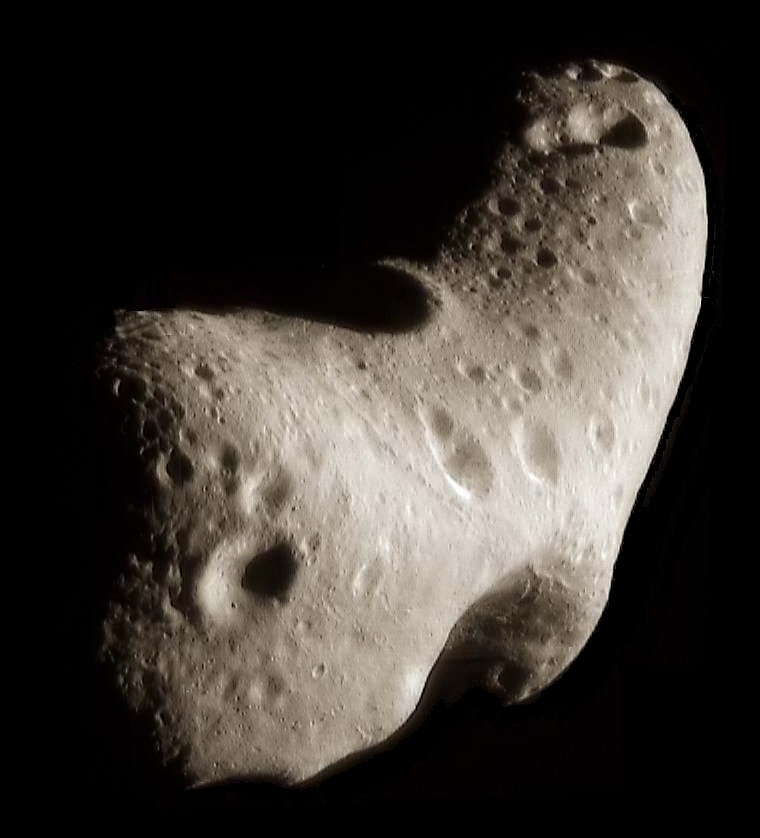
Image (Credit): Asteroid 433 Eros, which is the first asteroid ever orbited by a spacecraft, Near Earth Asteroid Rendezvous – Shoemaker (NEAR Shoemaker), in 1998. (NASA)
Multiple Choice: What is the average distance between the asteroids located in the asteroid belt between Mars and Jupiter?
A. 4,000 miles B. 50,000 miles C. 600,000 miles D. 1.1 million miles
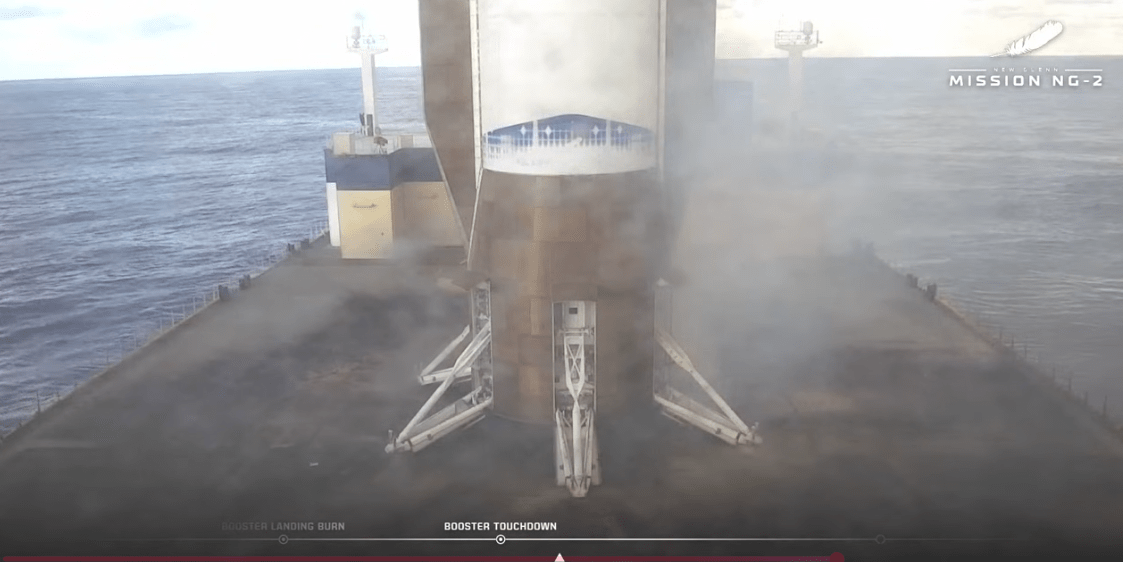
Image (Credit): The New Glenn booster after it landed on a platform in the Atlantic Ocean. (Blue Origin)
Today’s image comes from Blue Origin, which successfully completed it second launch of it New Glenn rockets, sending two NASA Martian probes into orbit. The image shows the reusable rocket booster right after it landed on a platform in the Atlantic Ocean.
Congratulations to Blue Origin, Rocket Lab, UC Berkeley, and all of our partners on the successful launch of ESCAPADE…This heliophysics mission will help reveal how Mars became a desert planet, and how solar eruptions affect the Martian surface. Every launch of New Glenn provides data that will be essential when we launch MK-1 through Artemis. All of this information will be critical to protect future NASA explorers and invaluable as we evaluate how to deliver on President Trump’s vision of planting the Stars and Stripes on Mars.
SpaceX now has another competitor for military and space missions, which is good for everyone (including SpaceX since it will keep them focused).